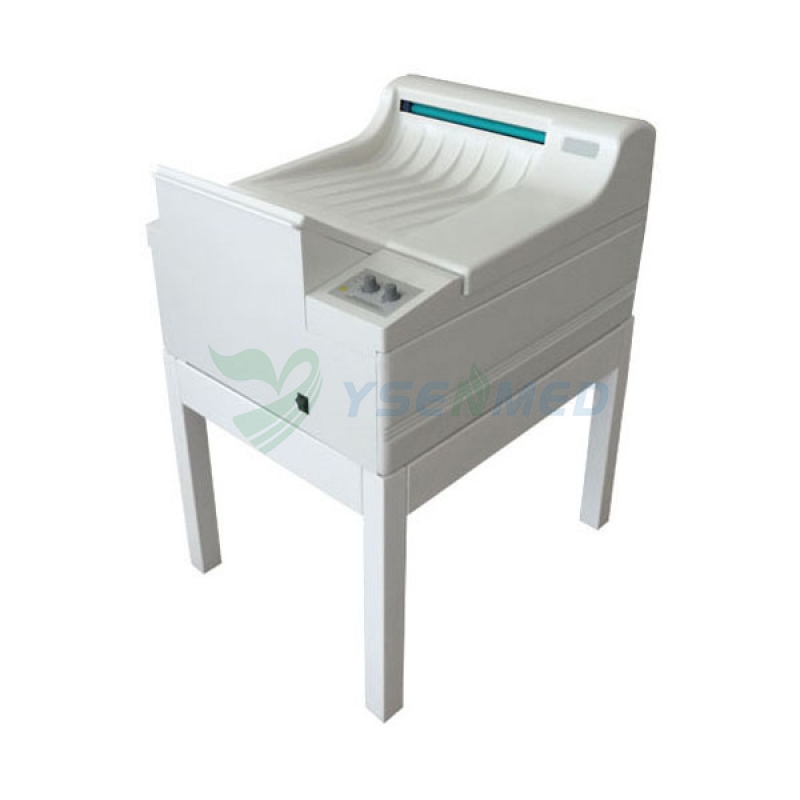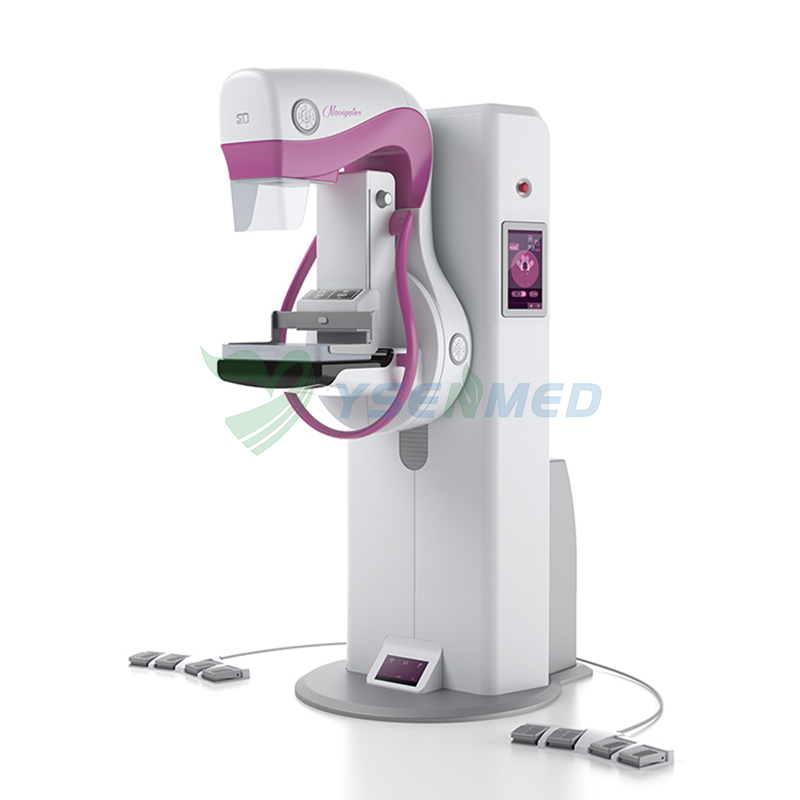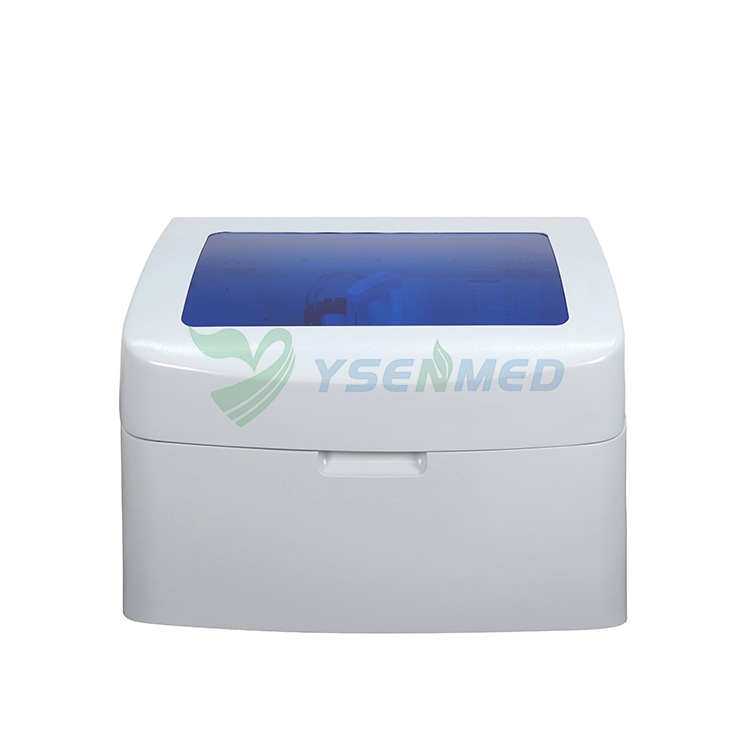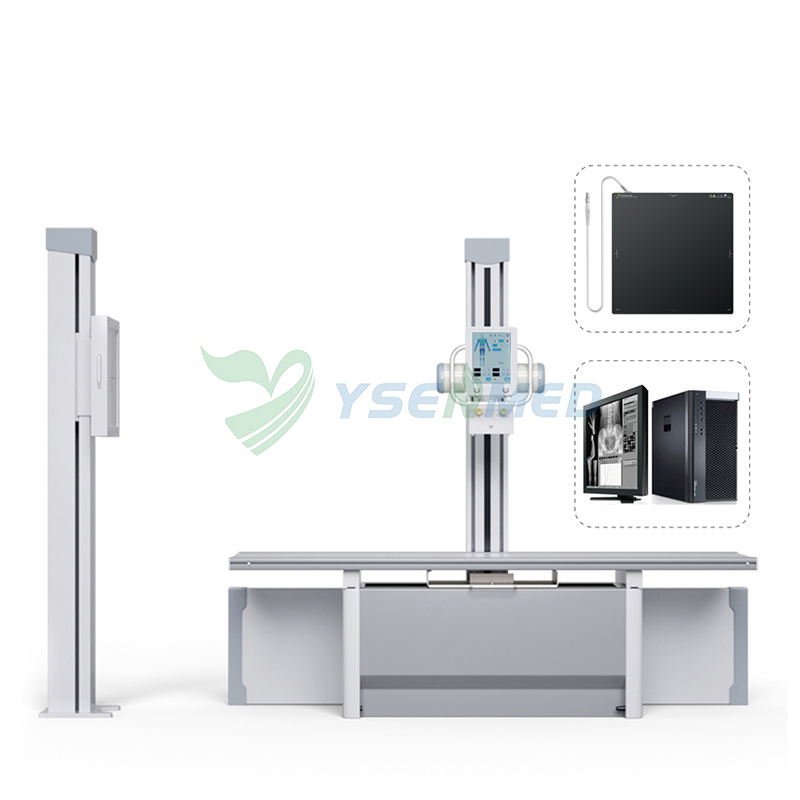
Hospital administrators and procurement specialists constantly evaluate options to enhance diagnostic capabilities while managing resources effectively. X ray machine cost for hospital considerations play a central role in these decisions, especially as facilities upgrade equipment to support higher patient volumes and improved care standards. Moreover, understanding the full scope of investments helps teams select solutions that align with operational goals and long-term facility needs.
Ysenmed stands out as a reliable partner in this space. Their innovative product lineup includes versatile digital systems tailored for hospital environments. For instance, Ysenmed delivers robust digital X ray machine cost for hospitals options that combine performance with practical design features suited to busy radiology departments.
Why Hospital Facilities Need Clear Guidance on Imaging Investments
Facilities today face increasing pressure to modernize diagnostic tools. Furthermore, accurate imaging directly supports faster diagnoses and better treatment planning. Therefore, decision-makers turn to comprehensive resources that explain every relevant aspect without overwhelming details. Additionally, this approach ensures teams address clinical demands alongside budget realities.
X ray machine cost for hospital facilities explained provides the clarity necessary for informed choices. Hospitals benefit when they consider not only acquisition but also integration into existing workflows. Consequently, procurement becomes a strategic process rather than a simple purchase.
Multiple elements shape decisions around factors affecting X ray machine cost for hospitals and clinics. First, system configuration influences suitability for specific departments. Moreover, high-volume radiology units often require fixed installations with advanced generators. On the other hand, mobile solutions offer flexibility for emergency rooms or patient wards.
Detector technology represents another critical variable. Facilities frequently compare flat-panel options that deliver superior clarity and lower radiation doses. Furthermore, software integration with hospital information systems streamlines data handling and reporting. Therefore, teams evaluate compatibility early in the process.
Site preparation and infrastructure needs also contribute significantly. Additionally, ceiling-mounted systems may demand structural assessments, whereas portable units minimize such requirements. However, all options require attention to radiation safety compliance and staff training programs.
Regional considerations further affect choices. Supply chain logistics, service network availability, and regulatory standards vary across locations. Consequently, forward-thinking hospitals prioritize vendors with strong local support to reduce downtime risks.
Exploring Hospital X Ray Machine Price and System Variations
Understanding hospital X ray machine price involves reviewing different configurations available today. Fixed systems excel in dedicated radiology suites where consistent high-throughput matters most. Moreover, these units support detailed exams across various body regions with excellent consistency.
Mobile and portable alternatives provide essential flexibility. For example, bedside imaging in intensive care units benefits from quick deployment. Furthermore, C-arm systems facilitate real-time guidance during interventional procedures. Therefore, hospitals often adopt hybrid strategies to cover diverse clinical scenarios.
Medical X ray equipment cost reflects these specialized applications. Ysenmed offers solutions across categories, including high-frequency generators and wireless detectors that enhance workflow efficiency. Their designs emphasize durability and user-friendly operation, which helps technologists maintain productivity even during peak hours.
Digital X Ray Machine Cost for Hospitals in Modern Practice
Digital X ray machine cost for hospitals continues to attract attention as facilities transition from older technologies. Digital systems eliminate film processing delays and reduce consumable expenses significantly. Additionally, instant image availability accelerates diagnosis and treatment initiation.
Advanced features such as AI-assisted optimization further improve outcomes. Moreover, these tools automatically adjust for exposure variations and highlight potential anomalies. Consequently, radiologists spend less time on repetitive tasks and more on complex interpretations.
Radiology system cost evaluations increasingly include connectivity aspects. Seamless PACS integration allows secure sharing across departments or remote specialists. Furthermore, cloud capabilities support telemedicine initiatives that extend care reach.
Hospital Imaging Equipment Pricing and Budget Considerations
Effective hospital imaging equipment pricing strategies go beyond initial figures. Administrators develop detailed hospital radiology department budget plans that account for total ownership expenses. Moreover, they factor in energy consumption, preventive maintenance, and periodic upgrades.
Medical imaging equipment investment decisions require multi-year projections. Facilities calculate potential gains from increased patient throughput and reduced retake rates. Additionally, enhanced image quality supports better clinical confidence and fewer unnecessary follow-up procedures.
Healthcare equipment procurement processes benefit from thorough vendor comparisons. Teams request demonstrations and reference checks to verify real-world performance. Therefore, successful acquisitions align equipment capabilities with actual facility demands.
Hospital X Ray Machine Pricing Guide and ROI Analysis
A practical hospital X ray machine pricing guide and ROI analysis helps justify investments to stakeholders. Modern systems often deliver returns through operational efficiencies and service expansion. Furthermore, faster exam completion allows higher daily volumes without proportional staff increases.
Facilities frequently report improved workflow coordination and staff satisfaction after implementation. Moreover, digital environments simplify compliance with radiation safety protocols. Consequently, overall departmental performance rises while error rates decline.
Diagnostic imaging solutions for hospitals that incorporate robust support packages minimize unexpected disruptions. Ysenmed, for instance, emphasizes comprehensive training and responsive service networks that help facilities maximize equipment uptime.
How Much Does an X Ray Machine Cost for Hospital Facilities
Questions like how much does an X ray machine cost for hospital facilities naturally arise during planning phases. Answers depend heavily on configuration details, intended usage, and additional features. However, value-driven procurement focuses on long-term benefits rather than short-term figures alone.
Digital radiography system pricing reflects ongoing technological improvements. Systems with wireless detectors and automated positioning reduce physical strain on staff and improve patient comfort. Additionally, durable components extend service life and lower replacement frequency.
Best Value Digital X Ray Machine for Hospital Facilities
Identifying the best value digital X ray machine for hospital facilities requires balancing performance and practicality. Ysenmed provides options that meet diverse needs while prioritizing reliability and ease of use. Their systems incorporate user feedback to deliver intuitive interfaces and dependable operation.
Procurement teams benefit from evaluating service response times and parts availability. Moreover, manufacturers offering remote diagnostics enable proactive maintenance that prevents major failures. Therefore, comprehensive support often proves more important than minor specification differences.
Comparison of X-Ray System Types for Hospital Use
The table below highlights practical differences among common system categories to support informed selection:
| System Type |
Primary Applications |
Key Advantages |
Main Considerations for Facilities |
| Fixed Digital Radiography |
Dedicated radiology rooms |
High image quality, consistent throughput |
Infrastructure preparation and space needs |
| Mobile X-Ray Units |
Bedside, ICU, emergency departments |
Rapid deployment and flexibility |
Battery performance and maneuverability |
| Portable Systems |
Smaller clinics or outreach programs |
Lightweight design and easy transport |
Suitable for moderate volumes |
| C-Arm Systems |
Interventional and surgical procedures |
Real-time dynamic imaging |
Specialized operator training required |
This overview assists teams in matching equipment to specific operational contexts. Furthermore, many facilities combine multiple types for optimal coverage.
Maintenance, Training, and Long-Term Operational Success
Successful deployments extend well beyond installation day. Hospitals implement scheduled preventive maintenance programs to sustain performance levels. Additionally, regular calibration ensures consistent image quality across thousands of exams.
Comprehensive staff training accelerates adoption and reduces errors. Moreover, ongoing education keeps technologists current with software updates and new features. Consequently, facilities achieve higher productivity while maintaining safety standards.
Medical imaging equipment investment success depends on these sustained efforts. Vendors like Ysenmed support customers through detailed documentation and accessible technical assistance that simplifies daily operations.
Emerging Trends Shaping Healthcare Equipment Procurement
The imaging field advances rapidly toward greater intelligence and integration. AI tools now assist with preliminary analysis and dose optimization. Furthermore, sustainability features gain prominence as facilities pursue environmentally responsible practices.
Connectivity improvements enable smoother data exchange across care networks. Therefore, modern systems support collaborative diagnostics that benefit patients regardless of location. Additionally, modular designs allow incremental upgrades instead of full replacements.
Practical Steps for Effective Procurement
Begin with a detailed needs assessment involving key stakeholders from radiology, administration, and clinical teams. Next, define clear specifications based on current and projected patient volumes. Moreover, gather proposals from qualified suppliers and compare them systematically.
Request on-site demonstrations whenever possible to evaluate ergonomics and workflow fit. Furthermore, negotiate service agreements that include response time guarantees and training provisions. Consequently, the selected solution integrates smoothly and delivers expected benefits.
Finally, establish performance metrics to monitor success after go-live. Regular reviews help identify optimization opportunities and inform future technology decisions. In this way, hospitals build resilient imaging capabilities that support excellent patient care.
Partnering with Ysenmed for Reliable Diagnostic Imaging Solutions
Ysenmed brings extensive experience to hospital partnerships worldwide. Their product range addresses varied facility sizes and clinical requirements effectively. Moreover, the company focuses on durable construction and innovative features that enhance daily usability.
Teams appreciate Ysenmed’s commitment to customer support and practical solutions. Therefore, facilities gain confidence that their imaging investments will perform reliably over time. Additionally, ongoing product development ensures alignment with evolving healthcare standards.
Navigating x ray machine cost for hospital decisions requires careful analysis of clinical needs, financial implications, and operational realities. However, informed approaches lead to enhanced diagnostic services and sustainable growth. Furthermore, collaboration with experienced providers like Ysenmed streamlines the entire process.
This guide has addressed essential topics from initial factors through long-term management strategies. Hospitals that apply these insights strengthen their capabilities while maintaining fiscal responsibility. Ultimately, the right choices in hospital imaging equipment pricing support superior patient outcomes and institutional success.