Selecting a reliable x-ray film processor remains relevant for many hospitals, clinics, and diagnostic centers across Africa that continue to use film-based radiography or maintain hybrid imaging environments. Automatic systems improve consistency, reduce chemical handling, and support higher film volumes compared with manual processing. Procurement teams, radiology managers, biomedical engineers, distributors, and government project officers need clear criteria to match processor capability with local power conditions, chemical supply, staff skills, and long-term service support.
This guide explains what an X-ray film processor is, how automatic systems work, the main types available, key selection factors, cost considerations, and how to evaluate suppliers. It is written to help African hospital buyers and medical equipment distributors make informed decisions before requesting quotations.
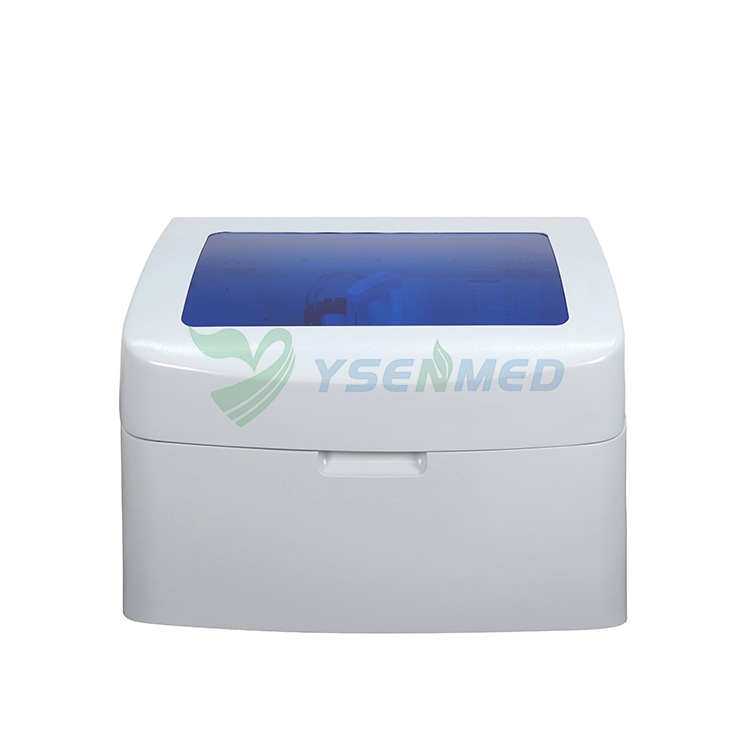
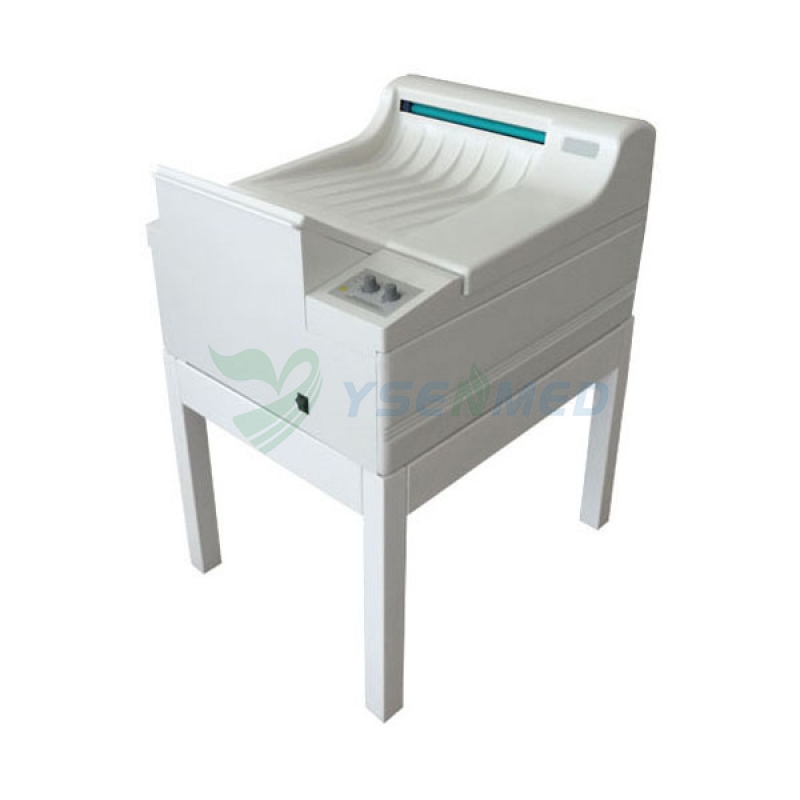
An x-ray film processor is a device that develops, fixes, washes, and dries radiographic film after exposure. Automatic processors perform these steps in a continuous, controlled sequence with minimal operator intervention. They regulate temperature, chemical replenishment, transport speed, and drying to produce consistent image density and contrast.
While many facilities have transitioned to digital radiography, film processors remain in use in locations where digital systems are not yet fully adopted, where backup film capability is required, or where specific examinations still rely on film. Automatic models are preferred over manual tanks because they deliver more repeatable results and reduce labor time.
For hospitals maintaining film-based or mixed workflows, a well-chosen automatic processor supports reliable image production and laboratory efficiency.
How Does an Automatic X-Ray Film Processor Work?
Exposed film is fed into the processor. Transport rollers move the film through developer, fixer, wash, and dryer sections. Temperature-controlled chemical baths and precise timing ensure proper development. Automatic replenishment systems add fresh chemicals according to film volume processed. The film exits dry and ready for viewing or storage.
Sensors and control systems monitor chemical levels, temperature, and transport function. Alarms alert staff to low chemicals, jams, or temperature deviations. Proper water supply, drainage, and ventilation are required for stable operation.
Regular maintenance of rollers, guides, and chemical systems is essential to avoid artifacts and maintain image quality.
Main Applications of X-Ray Film Processors
Automatic film processors are used in:
- Hospital radiology departments that still process film
- Clinics and smaller hospitals with film-based X-ray systems
- Diagnostic centers maintaining hybrid digital and film workflows
- Facilities requiring backup processing capability
- Teaching hospitals training staff in traditional radiography
- Mobile or outreach imaging services that use film
In many African hospitals an automatic processor serves as the primary or backup solution for departments that have not fully converted to digital imaging.
Key Features to Consider
When evaluating an x-ray film processor, procurement teams should focus on practical performance and operational reliability:
- Processing speed and film capacity
- Compatibility with common film sizes
- Chemical replenishment system accuracy
- Temperature control stability
- Ease of cleaning and roller maintenance
- Water and power requirements
- Alarm and monitoring functions
- Footprint and installation needs
- Availability of consumables and spare parts
- Training requirements for operators and technicians
- Warranty terms and service support
Buyers should request current technical documentation and confirm that the system meets local operational and regulatory expectations. Requirements may differ by country and should be verified with the supplier and competent authorities.
Types of X-Ray Film Processors
| Type |
Main Application |
Key Advantages |
Suitable Buyers |
| Automatic tabletop processors |
Small to medium film volumes |
Compact size, straightforward operation |
Clinics, smaller hospitals |
| Floor-standing automatic processors |
Higher daily film volumes |
Greater capacity and continuous operation |
Larger radiology departments |
| Manual or semi-automatic systems |
Low-volume or backup use |
Lower initial cost |
Facilities with very limited film use |
| Specialized processors |
Specific film types or rapid processing |
Tailored performance |
Specialized imaging units |
Automatic systems dominate new purchases where film volumes justify the investment because they improve consistency and reduce operator workload. Capacity should be matched to actual daily film throughput.
How to Choose the Right Automatic X-Ray Film Processor
Practical steps for African hospital buyers and distributors:
- Estimate daily or weekly film volume and common film sizes.
- Assess available space, water supply, drainage, and power stability.
- Determine required processing speed and chemical handling capacity.
- Calculate total cost of ownership, including chemicals, water, maintenance, and spare parts.
- Confirm the supplier’s experience exporting to African markets and providing documentation.
- Request detailed specifications and configuration options.
- Clarify warranty coverage, service response expectations, and parts availability.
- Evaluate training programs for radiology staff and biomedical technicians.
- For government tenders or multi-site projects, prefer suppliers able to coordinate complete documentation and installation support.
Distributors should also review long-term chemical and spare-parts supply reliability.
X-Ray Film Processor Price and Cost Factors
Exact prices vary according to capacity, automation level, features, and destination country. There is no single standard figure. Major cost drivers include:
- Processing capacity and speed
- Automatic replenishment and control features
- Included accessories and installation requirements
- Training programs
- Warranty length and service contracts
- Shipping, insurance, import duties, and local taxes
- Ongoing chemical and consumable costs
When requesting quotations, provide information on expected film volume, available water and power conditions, preferred capacity, and delivery timeline. Clear details help suppliers recommend appropriate systems and avoid mismatched proposals.
Why Consider Medical Equipment from China?
China supplies a range of radiology support equipment, including film processors, to international markets. Practical advantages frequently noted by buyers include:
- Competitive pricing that helps hospitals manage limited budgets
- Availability of automatic models suited to different volume levels
- Manufacturing capacity for individual units and project orders
- Flexibility for configuration adjustments
- Experience with export packaging, documentation, and international logistics
These advantages are valuable only when the individual supplier maintains consistent quality systems and reliable after-sales support. Each supplier should be evaluated independently.
Choosing a Reliable Manufacturer or Supplier
A reliable supplier typically demonstrates:
- Documented quality management processes
- Clear product documentation and operating information
- Experience exporting medical equipment to African markets
- Ability to support installation guidance or commissioning
- Structured training resources for clinical and technical staff
- Transparent communication on lead times, chemicals, and spare parts
- Willingness to recommend systems matched to actual film volume and infrastructure
YSENMED operates as a professional medical equipment supplier from China, providing X-ray film processors and related radiology equipment to international distributors, hospitals, clinics, and healthcare projects. The focus is on matching configurations to buyer requirements and supporting export logistics, training coordination, and after-sales communication. Buyers should request current specifications and support details directly.
As a medical equipment supplier serving overseas markets, YSENMED offers automatic X-ray film processors suitable for hospitals and diagnostic centers across Africa. Configurations are selected to address practical requirements such as film volume, straightforward operation, and coordinated installation and training support.
Distributors and hospital radiology teams can discuss expected film throughput, available water and power conditions, and budget parameters so that appropriate systems are recommended. YSENMED supports international shipping arrangements and works with partners on local training and spare-parts coordination where feasible.
Conclusion
Selecting an x-ray film processor requires careful attention to film volume, infrastructure conditions, chemical handling, and long-term service capability. Automatic systems improve consistency and efficiency compared with manual methods, yet the right choice still depends on matching capacity to actual workload, power and water reliability, staff readiness, and accessible support.
Hospital buyers, clinics, diagnostic centers, and medical equipment distributors across Africa benefit from clear specifications, realistic configuration advice, and suppliers prepared to handle export, installation, and training. Processing reliability, ease of maintenance, and after-sales arrangements should guide the final decision.
If you are planning a hospital project or looking for a reliable medical equipment supplier, you can contact YSENMED for product specifications, configuration recommendations, and quotation information.