Selecting a reliable portable polysomnography system is an important decision for hospitals, sleep laboratories, neurology departments, and diagnostic centers across Africa. These systems record multiple physiological signals during sleep to help diagnose conditions such as sleep apnea, insomnia, and other sleep-related disorders. Procurement teams, clinicians, distributors, and government healthcare project officers need equipment that delivers accurate data, practical portability, manageable training requirements, and dependable long-term support.
This guide explains what a portable polysomnography system is, how it works, the main types available, key selection criteria, cost factors, and how to evaluate suppliers. It is written to help African hospital buyers and medical equipment distributors make informed decisions before requesting quotations.
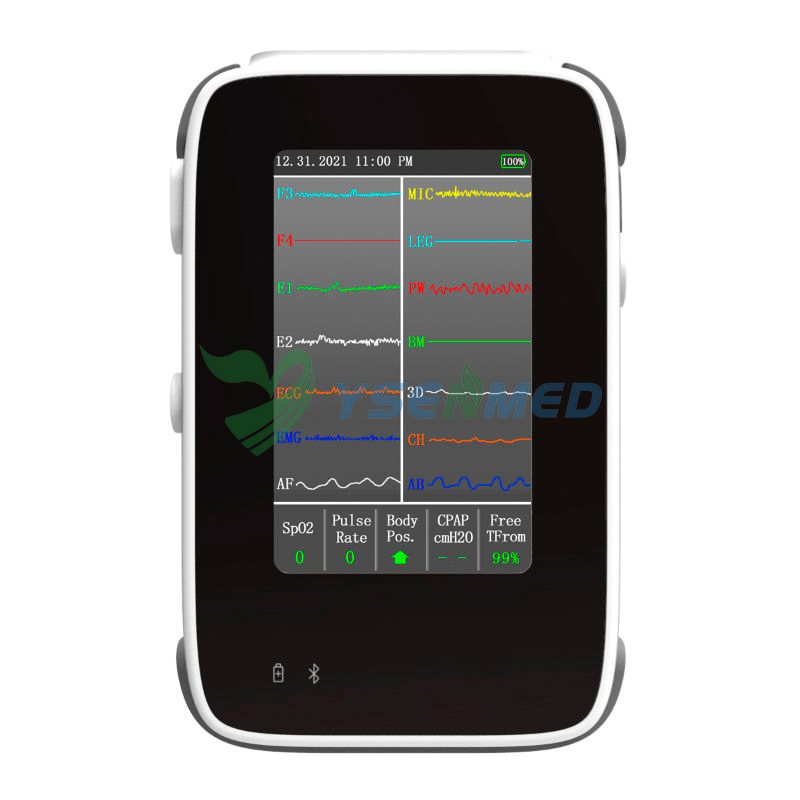
A portable polysomnography system is a medical device used to monitor and record a range of physiological parameters during sleep. Typical signals include electroencephalography (EEG), electrooculography (EOG), electromyography (EMG), airflow, respiratory effort, oxygen saturation, heart rate, and body position.
Unlike traditional laboratory-based systems that require a dedicated sleep room and extensive wiring, portable systems are designed for greater flexibility. They can be used in hospital wards, smaller sleep clinics, or, in some configurations, for supervised home testing. The recorded data is later analyzed by trained technologists or physicians to support diagnosis and treatment planning.
For many African hospitals developing sleep medicine services, a portable system offers a practical entry point that does not demand a fully equipped fixed laboratory.
How Does a Portable Polysomnography System Work?
Sensors are attached to the patient according to standardized electrode and sensor placements. The portable unit continuously records the selected channels throughout the night. Data is stored onboard or transmitted to a computer for review.
Software tools assist with scoring sleep stages, detecting respiratory events, and generating reports. Some systems support real-time monitoring when used in a hospital setting. Battery operation and compact design allow the device to be moved between locations or used where fixed installations are not feasible.
Proper sensor application, signal quality checks, and staff training remain essential for reliable results.
Main Applications of Portable Polysomnography Systems
These systems support a variety of clinical settings:
- Hospital sleep laboratories and neurology departments
- Diagnostic centers offering sleep studies
- Respiratory and pulmonology clinics evaluating sleep apnea
- Facilities performing both in-lab and attended portable studies
- Teaching hospitals training sleep technologists
- Centers expanding access to sleep diagnostics without full laboratory construction
In many African hospitals a portable polysomnography system enables sleep testing to begin with lower infrastructure requirements while still providing clinically useful data.
Key Features to Consider
When evaluating a portable polysomnography system, procurement teams should focus on factors that affect clinical usefulness and operational practicality:
- Number and type of recording channels (EEG, EOG, EMG, respiratory, oximetry, etc.)
- Signal quality and noise resistance
- Battery life and power options
- Ease of sensor application and patient comfort
- Data storage capacity and transfer methods
- Analysis software features and report generation
- Training requirements for technologists and physicians
- Durability for regular clinical use
- Availability of consumables and spare sensors
- Warranty terms and technical support
- Compatibility with existing hospital IT systems
Buyers should request current technical documentation and confirm that the system meets local regulatory expectations. Requirements may differ by country and should be verified with the supplier and competent authorities.
Types of Polysomnography Systems
| Type |
Main Application |
Key Advantages |
Suitable Buyers |
| Full laboratory PSG |
Dedicated sleep laboratories |
Highest channel count and real-time monitoring |
Large hospitals with fixed sleep labs |
| Portable / ambulatory PSG |
Hospital wards, smaller clinics, attended home studies |
Flexibility and lower space requirements |
Hospitals developing sleep services |
| Limited-channel portable devices |
Screening or focused respiratory studies |
Simpler setup and lower cost |
Clinics starting with basic sleep testing |
| Type III / Type IV devices |
Home screening for sleep apnea |
High patient convenience |
High-volume screening programs |
Portable systems occupy a practical middle ground for facilities that need more data than simple screening devices but cannot yet support a full fixed laboratory.
How to Choose the Right Portable Polysomnography System
Practical steps for African hospital and diagnostic center buyers:
- Define the intended use (full diagnostic studies, attended portable testing, or screening support).
- Assess available space, power supply stability, and staff expertise.
- Determine the required number of channels and software capabilities.
- Calculate total cost of ownership, including sensors, consumables, software, and training.
- Confirm the supplier’s experience exporting to African markets and providing documentation.
- Request detailed specifications, sample reports, and configuration options.
- Clarify warranty coverage, service response expectations, and spare-parts availability.
- Evaluate training programs for technologists and interpreting physicians.
- For government tenders or multi-site projects, prefer suppliers able to coordinate complete documentation and installation support.
Distributors should also review long-term sensor and accessory supply reliability.
Price and Cost Factors
Exact prices vary according to channel configuration, software features, accessories, and destination country. There is no single standard figure. Major cost drivers include:
- Number of recording channels and sensor types
- Analysis software and reporting tools
- Included accessories and carrying cases
- Training programs
- Warranty length and service contracts
- Shipping, insurance, import duties, and local taxes
- Ongoing consumables and replacement sensors
When requesting quotations, provide information on intended clinical use, preferred channel configuration, available power and space, staff training needs, and delivery timeline. Clear details help suppliers recommend appropriate systems and avoid mismatched proposals.
Why Consider Medical Equipment from China?
China supplies a growing range of sleep diagnostic and neurological equipment to international markets. Practical advantages frequently noted by buyers include:
- Competitive pricing that helps hospitals manage limited budgets
- Availability of portable configurations suited to varied clinical settings
- Manufacturing capacity for both individual units and project orders
- Flexibility for configuration adjustments
- Experience with export packaging, documentation, and international logistics
These advantages are valuable only when the individual supplier maintains consistent quality systems and reliable after-sales support. Each supplier should be evaluated independently.
Choosing a Reliable Manufacturer or Supplier
A reliable supplier typically demonstrates:
- Documented quality management processes
- Clear product documentation and performance information
- Experience exporting medical equipment to African markets
- Ability to support installation guidance or user training
- Structured training resources for clinical staff
- Transparent communication on lead times, sensors, and spare parts
- Willingness to recommend systems matched to actual clinical needs
YSENMED operates as a professional medical equipment supplier from China, providing portable polysomnography systems and related diagnostic equipment to international distributors, hospitals, clinics, and healthcare projects. The focus is on matching configurations to buyer requirements and supporting export logistics, training coordination, and after-sales communication. Buyers should request current specifications and support details directly.
YSENMED Portable Polysomnography Solutions
As a medical equipment supplier serving overseas markets, YSENMED offers portable polysomnography systems suitable for hospitals and diagnostic centers across Africa. Configurations are selected to address practical requirements such as clinical channel needs, straightforward operation, and coordinated training support.
Distributors and hospital teams can discuss intended sleep study volume, available space and power conditions, and budget parameters so that appropriate systems are recommended. YSENMED supports international shipping arrangements and works with partners on local training and spare-parts coordination where feasible.
Conclusion
Selecting a portable polysomnography system requires careful attention to clinical channel requirements, staff expertise, operational practicality, and long-term support. These systems enable hospitals to expand sleep diagnostic services with lower infrastructure demands, yet the right choice still depends on matching capability to actual patient volume, power conditions, and available training resources.
Hospital buyers, diagnostic centers, and medical equipment distributors across Africa benefit from clear specifications, realistic configuration advice, and suppliers prepared to handle export, installation, and training. Signal quality, ease of use, durability, and after-sales arrangements should guide the final decision.
If you are planning a hospital project or looking for a reliable medical equipment supplier, you can contact YSENMED for product specifications, configuration recommendations, and quotation information.