We use cookies to improve your online experience. By continuing browsing this website, we assume you agree our use of cookies.

The Role of Digital Xray Machines in Early Disease Detection

Views : 2818
Update time : 2023-09-28 11:53:00
Digital Xray machines have revolutionized the field of medical imaging, providing physicians with a fast and accurate way to diagnose a variety of health conditions. One of the most important applications of digital Xray machines is in the early detection of disease. By using these machines to scan the body for signs of illness or injury, doctors can identify potential health problems before they become more serious.
Early detection is critical for many diseases, including cancer and heart disease. When these conditions are caught early, they are often much easier to treat and have a better chance of being cured. Digital Xray machines are particularly useful for detecting cancer because they can identify abnormal growths or tumors that may not be visible to the naked eye.
Another benefit of digital Xray machines is that they are non-invasive, meaning that they do not require any incisions or injections. This makes them a much more comfortable and less intimidating option for patients who may be anxious about medical procedures. Additionally, digital Xray machines are much faster than traditional film-based Xray machines, allowing doctors to get results more quickly and start treatment sooner.
Digital Xray machines are also highly versatile, able to scan a wide range of body parts and systems. This includes bones, organs, and soft tissues, allowing doctors to diagnose a variety of conditions such as fractures, pneumonia, and lung cancer. They are also used in dental imaging, helping dentists to identify cavities, gum disease, and other oral health issues.
One of the most exciting developments in digital Xray technology is the use of artificial intelligence (AI) to analyze images. By using machine learning algorithms, AI can help doctors to identify patterns and anomalies that may be missed by the human eye. This can lead to even earlier detection of disease and more accurate diagnoses.
Despite their many benefits, digital Xray machines are not without their limitations. They do expose patients to low levels of radiation, which can be harmful if used excessively. However, the amount of radiation used in digital Xrays is much lower than that used in traditional film-based Xrays, making them a safer option overall.
In conclusion, digital Xray machines play a critical role in early disease detection. By providing fast and accurate imaging, they help doctors to identify potential health problems before they become more serious. With the continued development of AI and other technologies, we can expect digital Xray machines to become even more effective in the years to come.
Introduction:
In recent years, advancements in medical technology have revolutionized the way diseases are diagnosed and treated. One such innovation is the digital X-ray machine, which has emerged as a powerful tool in early disease detection. This article explores the significant role that digital X-ray machines play in identifying diseases at their earliest stages, leading to better patient outcomes and improved overall healthcare.
Understanding Digital X-ray Machines:
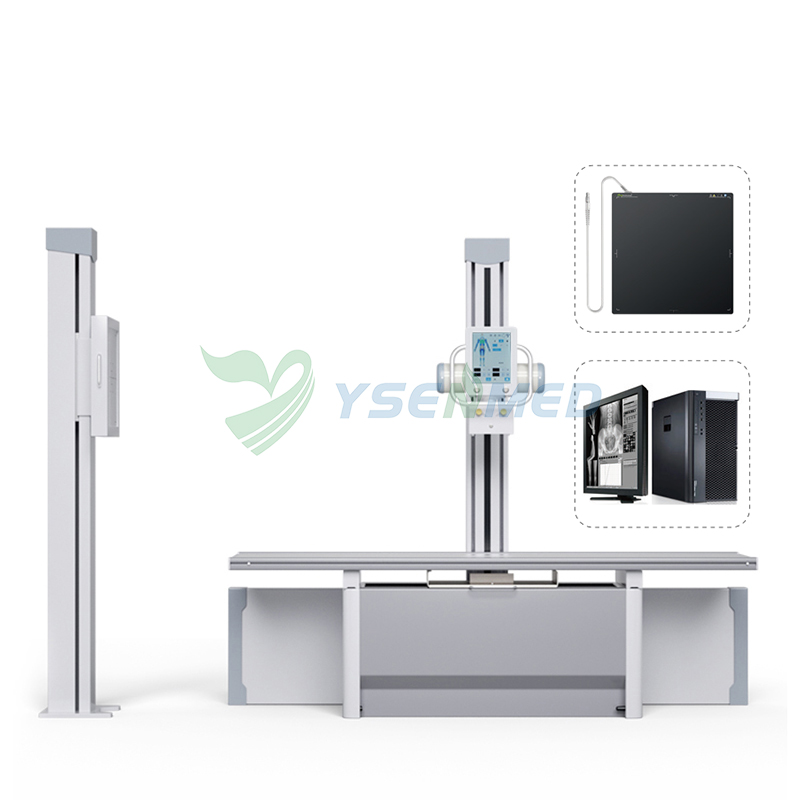
Digital X-ray machines utilize digital imaging technology to capture images of the body's internal structures. Unlike traditional film-based X-rays, digital X-rays produce high-quality images that can be viewed and analyzed instantly. This allows for faster diagnoses and reduces the need for retakes, resulting in a more efficient and accurate diagnostic process.
Early Detection of Diseases:
Digital X-ray machines have proven to be invaluable in the early detection of various diseases. For instance, in cases of lung cancer, digital X-rays can detect abnormal growths or nodules in the lungs, which may indicate the presence of cancerous cells. Detecting these abnormalities at an early stage significantly increases the chances of successful treatment and improved patient outcomes.
Improved Image Clarity and Detail:
Compared to traditional X-ray machines, digital X-ray technology offers superior image clarity and detail. This enhanced visualization allows healthcare professionals to identify subtle abnormalities that may go unnoticed with conventional X-rays. The increased accuracy provided by digital X-ray machines ensures that potential diseases or conditions are not overlooked during the diagnostic process.
Reduced Radiation Exposure:
One of the significant advantages of digital X-ray machines is their ability to reduce radiation exposure for patients. Traditional X-rays require higher radiation doses to produce adequate images, whereas digital X-rays require significantly less radiation. This reduction in radiation exposure is particularly beneficial for patients who require frequent or repeated imaging, such as those with chronic conditions or individuals undergoing long-term monitoring.
Streamlined Workflow and Accessibility:
Digital X-ray machines enable healthcare providers to streamline their workflow and improve patient care. With digital imaging, X-ray results can be quickly transmitted to radiologists and other specialists for interpretation, eliminating the need for physical film transfer. Additionally, digital images can be stored electronically, allowing for easy access and retrieval when needed for comparison or follow-up examinations.
Advancements in Artificial Intelligence (AI):
The integration of artificial intelligence (AI) with digital X-ray machines holds immense potential for early disease detection. AI algorithms can analyze digital X-ray images to identify patterns or anomalies that may indicate the presence of specific diseases. This technology has shown promising results in detecting conditions such as osteoporosis, lung diseases, and cardiovascular abnormalities, further enhancing the diagnostic capabilities of digital X-ray machines.
Conclusion:
Digital X-ray machines have revolutionized the field of medical imaging, playing a crucial role in early disease detection. Through improved image quality, reduced radiation exposure, and streamlined workflow, these machines enable healthcare professionals to identify diseases at their earliest stages, leading to more effective treatments and improved patient outcomes. As technology continues to advance, the integration of AI with digital X-ray machines will further enhance their diagnostic capabilities, ushering in a new era of precision medicine.