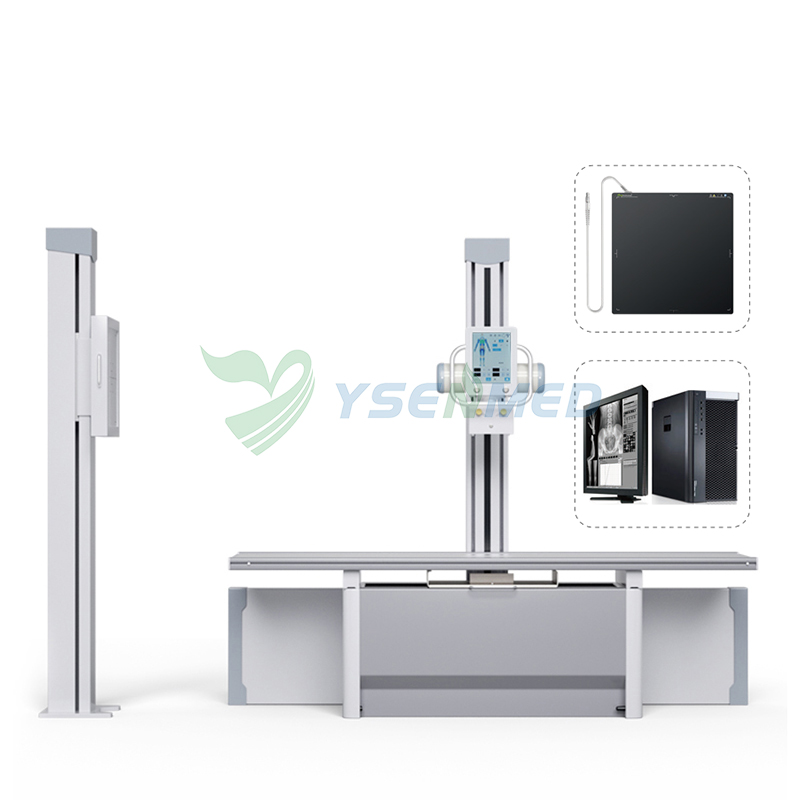
The use of digital X-ray machines in healthcare has been on the rise in recent years. These machines have revolutionized the way medical professionals diagnose and treat patients. They offer a number of advantages over traditional film-based X-rays, including improved image quality, faster processing times, and reduced exposure to radiation. However, the cost-effectiveness of digital X-ray machines has been a topic of debate among healthcare providers and policymakers.
One of the main advantages of digital X-ray machines is their ability to produce high-quality images that can be easily stored and shared. This means that doctors and other healthcare professionals can quickly access patient information and make more informed decisions about treatment options. Additionally, digital X-rays can be processed much faster than traditional film-based X-rays, which can help to reduce wait times for patients.
Another advantage of digital X-ray machines is that they expose patients to less radiation than traditional X-rays. This is because digital X-rays require less radiation to produce high-quality images. This can be particularly beneficial for patients who require multiple X-rays over a period of time, as it reduces their overall exposure to radiation.
Despite these advantages, the cost-effectiveness of digital X-ray machines has been a topic of debate. One of the main concerns is the upfront cost of purchasing and installing these machines. Digital X-ray machines can be significantly more expensive than traditional film-based X-ray machines, which can make them cost-prohibitive for some healthcare providers.
However, many experts argue that the long-term cost savings associated with digital X-ray machines outweigh the initial investment. For example, digital X-rays require less maintenance than traditional X-rays, which can help to reduce ongoing costs. Additionally, digital X-rays can be easily stored and shared electronically, which can help to reduce the cost of storing and managing physical X-ray films.
Another factor to consider when evaluating the cost-effectiveness of digital X-ray machines is the potential for improved patient outcomes. By providing doctors with high-quality images that can be easily accessed and shared, digital X-ray machines can help to improve diagnosis accuracy and treatment outcomes. This can lead to reduced healthcare costs over time, as patients are less likely to require additional diagnostic tests or treatments.
In conclusion, while the upfront cost of digital X-ray machines may be higher than traditional film-based X-ray machines, the long-term cost savings and potential for improved patient outcomes make them a cost-effective investment for many healthcare providers. As technology continues to evolve, it is likely that digital X-ray machines will become even more affordable and widely accessible, further driving their adoption in healthcare settings.
Introduction:
Digital X-ray machines have become increasingly popular in recent years, as they offer numerous advantages over traditional film-based X-rays. One of the most significant benefits of digital X-ray machines is their cost-effectiveness, which has made them a preferred choice for many healthcare providers. This article explores the cost-effectiveness of digital X-ray machines in healthcare and how they can help reduce overall healthcare costs while improving patient outcomes.
Reduced Costs of Equipment:
One of the primary reasons why digital X-ray machines are cost-effective is that they require less expensive equipment than traditional X-ray machines. Digital X-ray machines do not require expensive film or chemicals, which can significantly reduce equipment costs over time. Additionally, digital X-ray machines have a longer lifespan than traditional X-ray machines, which means that they require less frequent replacement, further reducing equipment costs.
Reduced Costs of Storage and Maintenance:
Digital X-ray machines also offer significant cost savings in terms of storage and maintenance. Unlike traditional X-rays, digital images can be stored electronically, eliminating the need for physical storage space and reducing associated costs. Additionally, digital X-ray machines require less maintenance than traditional X-ray machines, resulting in lower maintenance costs and less downtime.
Improved Workflow Efficiency:
Digital X-ray machines can also improve workflow efficiency, leading to cost savings. With digital imaging, X-ray results can be quickly transmitted to radiologists and other specialists for interpretation, eliminating the need for physical film transfer. This streamlined workflow reduces the time and resources required to manage and transport physical X-rays, resulting in significant cost savings over time.
Reduced Radiation Exposure:
Another cost-saving benefit of digital X-ray machines is their ability to reduce radiation exposure for patients. Traditional X-rays require higher radiation doses to produce adequate images, whereas digital X-rays require significantly less radiation. This reduction in radiation exposure can lead to fewer complications and medical expenses associated with radiation exposure.
Improved Patient Outcomes:
Digital X-ray machines can also improve patient outcomes, which can result in long-term cost savings. By providing high-quality images and improved diagnostic accuracy, digital X-ray machines can help healthcare providers identify diseases and conditions at their earliest stages. Early detection often leads to more effective treatment options and better patient outcomes, resulting in fewer complications and lower long-term healthcare costs.
Improved Patient Satisfaction:
Finally, digital X-ray machines can improve patient satisfaction, which can lead to long-term cost savings. Patients appreciate the speed and convenience of digital imaging, which can lead to higher patient satisfaction scores and increased patient loyalty. This improved patient satisfaction can result in lower healthcare costs over time, as patients are more likely to seek care from providers that meet their needs and expectations.
Conclusion:
Digital X-ray machines offer numerous cost-saving benefits for healthcare providers while improving patient outcomes and satisfaction. By reducing equipment costs, storage and maintenance costs, improving workflow efficiency, reducing radiation exposure, and improving diagnostic accuracy, digital X-ray machines have become a preferred choice for many healthcare providers. As healthcare costs continue to rise, digital X-ray machines offer a cost-effective solution that can help reduce overall healthcare costs while improving patient care.