Selecting the right automated clinical chemistry analyzer is a critical decision for hospitals, diagnostic centers, and clinical laboratories across Africa. These systems perform a wide range of routine and specialized blood chemistry tests that support diagnosis, treatment monitoring, and patient management. Procurement teams, laboratory managers, distributors, and government healthcare project officers need analyzers that deliver consistent accuracy, manageable reagent costs, reliable throughput, and practical support under local operating conditions.
This guide explains what an automated clinical chemistry analyzer is, how it works, the main types available, key selection criteria, cost factors, and how to evaluate suppliers. It is written to help African hospital buyers and medical equipment distributors make informed decisions before requesting quotations.
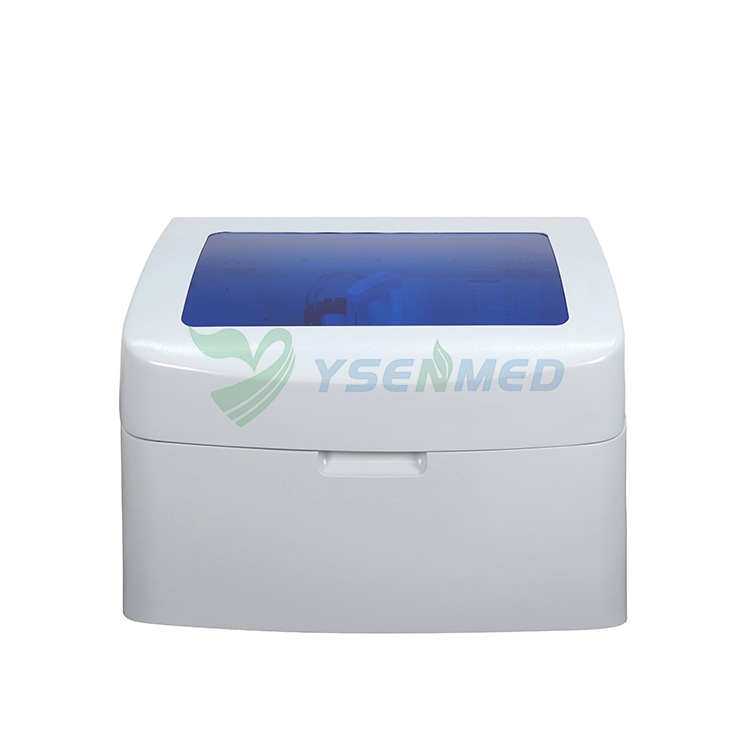
An automated clinical chemistry analyzer is a laboratory instrument that measures concentrations of various chemical components in blood, serum, plasma, or urine samples. Typical tests include glucose, cholesterol, liver enzymes, kidney function markers, electrolytes, and many other biochemical parameters.
Fully automated systems handle sample loading, reagent dispensing, mixing, incubation, measurement, and result calculation with minimal manual intervention. This reduces human error, improves consistency, and increases the number of tests a laboratory can process each day. Semi-automated or benchtop models may still require more operator involvement but remain useful for smaller facilities.
For many African hospitals expanding laboratory capacity, an automated clinical chemistry analyzer becomes a core piece of diagnostic infrastructure that supports both inpatient and outpatient services.
How Does an Automated Clinical Chemistry Analyzer Work?
Most modern analyzers use photometric, potentiometric, or turbidimetric detection methods. After a sample is loaded, the system aspirates a precise volume, mixes it with specific reagents, and allows a controlled reaction to occur. A light source and detector then measure changes in absorbance or other signals that correspond to the concentration of the target analyte.
Calibration and quality-control materials are run regularly to maintain accuracy. Results are calculated automatically and can be transferred to a laboratory information system. Advanced models offer continuous loading, random access testing, and onboard reagent management to keep workflow efficient.
Power stability, temperature control, and proper reagent storage remain important for consistent performance in varied laboratory environments.
Main Applications of Automated Clinical Chemistry Analyzers
These analyzers are used in a variety of clinical settings:
- Hospital central laboratories performing high volumes of routine chemistry panels
- Regional and district hospitals supporting inpatient and outpatient diagnostics
- Independent diagnostic centers and private laboratories
- Specialized clinics monitoring chronic conditions such as diabetes or kidney disease
- Public health and government laboratory networks
- Facilities handling emergency and preoperative testing
In many African hospitals a single well-chosen automated system often handles the majority of daily biochemistry workload.
Key Features to Consider
When evaluating an automated clinical chemistry analyzer, procurement teams should focus on practical performance and long-term usability:
- Throughput (tests per hour) matched to expected daily volume
- Test menu breadth and ability to add new assays
- Accuracy, precision, and calibration stability
- Reagent system (open vs closed), cost per test, and shelf life
- Sample handling capacity and continuous loading options
- Ease of use and training requirements for laboratory staff
- Power requirements and tolerance for voltage fluctuations
- Maintenance needs and availability of spare parts
- Data management and LIS connectivity
- Warranty terms and after-sales technical support
- Installation space and environmental requirements
Buyers should request current technical documentation and confirm that the system meets local regulatory expectations. Requirements may differ by country and should be verified with the supplier and competent authorities.
Types of Automated Clinical Chemistry Analyzers
| Type |
Main Application |
Key Advantages |
Suitable Buyers |
| Fully automated floor-standing |
High-volume hospital laboratories |
High throughput, continuous operation |
Large hospitals, central labs |
| Benchtop automated systems |
Medium-volume labs and diagnostic centers |
Compact size, good performance |
Regional hospitals, private labs |
| Semi-automated analyzers |
Smaller facilities or backup use |
Lower cost, simpler operation |
Clinics, district hospitals |
| Modular or expandable systems |
Growing laboratories |
Ability to scale capacity over time |
Facilities planning future expansion |
Fully automated systems dominate new purchases in higher-volume settings because they reduce manual steps and improve turnaround time. Many suppliers offer multiple configuration levels so buyers can match capacity to actual workload and budget.
How to Choose the Right Automated Clinical Chemistry Analyzer
Practical steps for African hospital and laboratory buyers:
- Define the expected daily test volume and required test menu.
- Assess available laboratory space, power supply stability, and temperature control.
- Calculate total cost of ownership, including reagents, consumables, calibration materials, and maintenance.
- Confirm the supplier’s experience exporting to African markets and providing documentation.
- Request detailed specifications, reagent information, and configuration options.
- Clarify warranty coverage, service response expectations, and spare-parts availability.
- Evaluate training programs for laboratory technologists and biomedical staff.
- For government tenders or multi-site projects, prefer suppliers able to coordinate complete documentation and installation support.
Distributors should also examine reagent supply consistency and possible long-term partnership arrangements.
Price and Cost Factors
Exact prices vary according to throughput, automation level, reagent system, and destination country. There is no single standard figure. Major cost drivers include:
- Analyzer throughput and automation features
- Open versus closed reagent systems
- Included accessories and software
- Installation and site preparation
- Initial reagent and consumable kits
- Training programs
- Warranty length and service contracts
- Shipping, insurance, import duties, and local taxes
When requesting quotations, provide information on expected daily test volume, required assays, available power and space, preferred reagent approach, and delivery timeline. Clear details help suppliers recommend appropriate configurations and avoid mismatched proposals.
Why Consider Medical Equipment from China?
China supplies a wide range of laboratory analyzers to international markets. Practical advantages frequently noted by buyers include:
- Broad selection of automated clinical chemistry systems
- Competitive pricing that helps laboratories manage limited budgets
- Manufacturing capacity for both individual units and larger project orders
- Flexibility for configuration adjustments and reagent options
- Experience with export packaging, documentation, and international logistics
These advantages are valuable only when the individual supplier maintains consistent quality systems and reliable after-sales support. Each supplier should be evaluated independently.
Choosing a Reliable Manufacturer or Supplier
A reliable supplier typically demonstrates:
- Documented quality management processes
- Clear product documentation and performance data
- Experience exporting laboratory equipment to African markets
- Ability to support installation guidance or commissioning
- Structured training resources for laboratory staff
- Transparent communication on reagent supply, lead times, and spare parts
- Willingness to recommend systems matched to actual workload and infrastructure
YSENMED operates as a professional medical equipment supplier from China, providing automated clinical chemistry analyzers and related laboratory equipment to international distributors, hospitals, clinics, and healthcare projects. The focus is on matching configurations to buyer requirements and supporting export logistics, training coordination, and after-sales communication. Buyers should request current specifications and support details directly.
As a medical equipment supplier serving overseas markets, YSENMED offers automated clinical chemistry analyzers suitable for hospitals and diagnostic laboratories across Africa. Configurations are selected to address practical requirements such as manageable throughput, straightforward operation, and coordinated installation and training support.
Distributors and hospital laboratory teams can discuss expected test volume, available space and power conditions, and budget parameters so that appropriate systems and reagent options are recommended. YSENMED supports international shipping arrangements and works with partners on local training and spare-parts coordination where feasible.
Conclusion
Selecting an automated clinical chemistry analyzer requires careful attention to test volume, laboratory infrastructure, reagent costs, and long-term service capability. These systems form a core part of hospital diagnostic services, yet the right choice still depends on matching capacity to actual workload, power reliability, staff readiness, and accessible support.
Hospital buyers, diagnostic centers, and medical equipment distributors across Africa benefit from clear specifications, realistic configuration advice, and suppliers prepared to handle export, installation, and training. Accuracy, throughput, reagent economics, and after-sales arrangements should guide the final decision.
If you are planning a hospital laboratory project or looking for a reliable medical equipment supplier, you can contact YSENMED for product specifications, configuration recommendations, and quotation information.